Vida Tarver
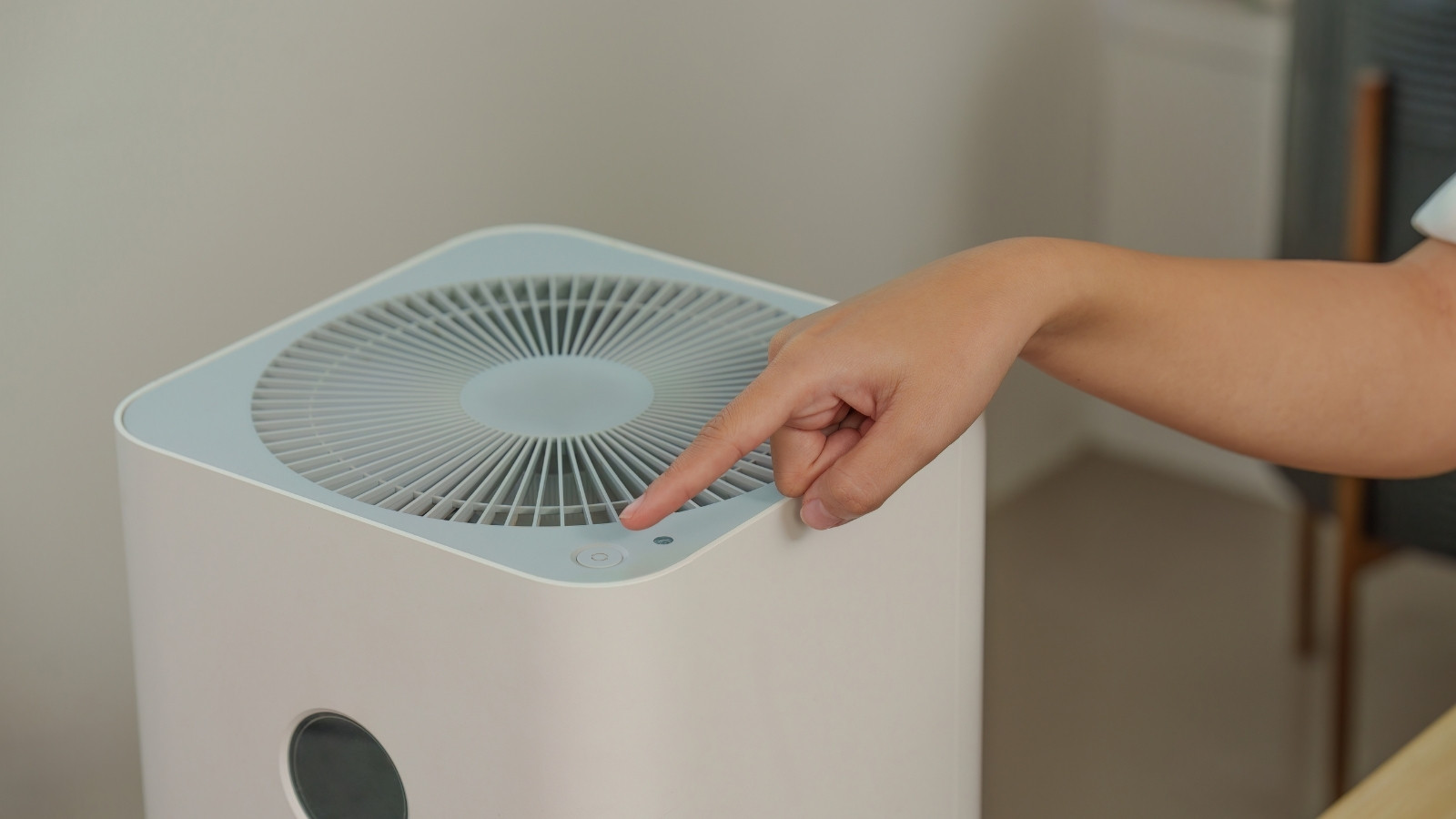
With the help of a filter, usually a HEPA filter, an air purifier sucks in the air in a room and passes it through the filter to eliminate airborne particles like pollen and dust. You’ll find that many models also have an additional layer of filter that is designed to absorb chemical smells, gas, cooking odors, and other forms of unpleasant odors. This additional filter is known as an activated carbon filter. After cleaning the air, it’s released back into the room with the pollutants trapped in the filter. This cycle continues until the filters need replacement.
Most people don’t think or worry about air quality, but pause for a moment and think. Ask yourself, where do you spend most of your time, indoors or outdoors? You answered indoors, right? Obviously.
You probably spend about 90% of your time indoors, most of that time in your home, but you probably don’t pay attention to indoor air quality. The media doesn’t either. Look around and all you’ll see in the headlines is smog alerts, pollen counts, wildfire smoke, and more, all concerned with outdoor air quality when indoor air quality is what matters the most to you and anyone else reading this.
The air in your bedroom, in your living room, has the biggest impact on your day-to-day health, and air purifiers are one of the few tools you can use to turn your situation around if the air is poor.
Table of Contents
How Does an Air Purifier Clean the Air?
You might think air purifiers are complicated devices, but what an air purifier really is at its core is a set of fans paired with one or a few filters, nothing more. And the rest of this article will focus on that.
The part of this machine that does the grunt work is the HEPA filter, a true HEPA filter, not the cheap fake ones found in low quality models. For a filter to be worthy of the title “True HEPA”, it has to be capable of capturing not less than 99.97% of particles as small as 0.3 microns. This standard was set by the US Department of Energy, and when a HEPA filter has this capability, it simply means dust, mold spores, pollen, and other tiny particles can’t escape it.
Air purifiers don’t only rid the air of physical pollutants, they also remove harmful gases and unpleasant odors from the air, but the HEPA filter is useless against these. That’s why they’re paired with activated carbon filters that adsorb these volatile organic compounds and smells. This is quite different from the mechanism of HEPA filters (trapping the particles as opposed to adsorbing).
If you look well enough, you’ll find purifiers that utilize ionisers. These clean the air by clumping particles together using electrostatic charges. They become heavier and can no longer float in the air as a result of that, and eventually settle out of the air onto nearby surfaces.
Every air purifier has a Clean Air Delivery Rate, which measures how much clean or filtered air it can push into the room every minute. The larger the size of your unit’s motor and filter, the higher its CADR.
What Can It Filter Out of The Air in Your Home?
This is pretty self-explanatory once you understand the purification process.
- Allergens and dust: A true HEPA filter can catch pollen, dust mites, dander, pet hair, and more because they are large enough for it to trap. So if you suffer from allergies, you’re in the category of users that are most likely to notice the biggest difference once you purchase an air purifier.
- VOCs and chemical smells: These aren’t particles, so it’s the job of the activated carbon filter to pull them out of the air. Examples are paint fumes and cleaning product residue.
- Bad odors: The activated carbon filter also takes care of these, as they are also not particles. Examples are cooking smells, burnt smells, pet odors, and smoke.
- Airborne disease particles: You shouldn’t rely on an air purifier alone to rid the air of these types of particles. It has to be paired with certain health precautions and proper ventilation. That said, they can help a lot, particularly if they have the ability to capture particles in the 0.1 to 1 micron range.
- Mold spores, with a catch of course: Although purifiers can filter out mold spores, if you have a mold problem, it won’t go away on its own. The source of the mold spores has to be dealt with for complete elimination. The EPA is clear about this.
The Everyday Benefits You’ll Notice
Obviously, the main reason why people buy air purifiers is the real, noticeable benefits they offer in the home, and here are some of the top ones you’ll notice:
According to a recent randomized crossover trial on college students, when particulate matter levels drop in the bedroom overnight, a measurable improvement in memory occurs the next morning. Executive function also improves along with overall cognitive scores. Researchers found better neurotransmitter regulation and oxygen saturation during sleep to be the primary reasons for this improvement.
During waking hours, cognition and focus also improve together with air quality. One other study, Harvard’s original COGfx study, concluded that when placed in a well-ventilated building, office workers scored much higher on tests that evaluated strategic thinking and crisis response. Their scores were much lower when they completed those tests in conventional buildings.
After that study, 302 office workers in six countries were tracked in a follow-up study and the pattern was similar: more CO2 and fine particulate matter in the air meant that accuracy and response times decreased during cognitive tests. This study confirmed the pattern more broadly.
The next benefit relates to the safety of the environment for children and the elderly. As described by the EPA, portable air purifiers are possibly helpful, and studies reveal they provide modest, rather than dramatic improvements, in terms of cardiovascular and respiratory health. That statement might understate the benefits, but if you suffer from asthma or allergies or have older adults or kids living under your roof, you’ll realize how much that modest improvement matters.
There’s one more benefit that I need to mention. Air purifiers bring about a significant reduction in dust. So you basically enjoy less dust circulation, and consequently less dust settling into your appliances and your HVAC system’s fan motor and coils, which in turn improves durability and efficiency.
Picking the Right One for Your Room
When looking for an air purifier to buy, don’t overcomplicate the process. Simply have a clear idea of what to look for and it’ll be an easy process for you. Here are the top things to pay attention to:
- Match CADR to square footage. Be sure to use your room’s square footage, not your entire home. I always stick to this rule of thumb: if I plan to use it in a 100 sq ft room, I look for a CADR of around 65. So divide your room’s size in square feet by 100 and multiply by 65 to get the optimal CADR.
- Look for “true HEPA,” not “HEPA-type.” If you’re new to air purifiers, you might easily get fooled by the term “HEPA-type”. Filters labelled HEPA-type usually don’t perform as well as true HEPA filters, and they aren’t held to the same standard as true HEPA filters.
- Look for activated carbon if odors and chemical smells are one of the reasons you’re considering buying an air purifier.
- Be cautious with ionisers. These produce ozone as a byproduct, and ozone is a lung irritant. Although modern units are designed to keep ozone emission well below safe limits, the American Lung Association recommends avoiding them.
- CARB/AHAM certification can help you confirm whether the performance of the model you’re considering was self-reported but the manufacturer or verified independently, so look for that.
- Consider noise levels and cost of filters, especially if you plan to use it in a bedroom. If it’s too loud for your bedroom, you’ll need to lower its fan speed, which would mean lower CADR and less efficiency. Replacement filters are a recurring expense, so factor in the cost of replacement filters when deciding on what make and model to go for.
Have pets or allergies? Size up a little. That extra CADR will come in handy when you need to use a quieter setting but still need a high CADR for all the extra allergens and pollutants floating around. You’ll be able to lower the fan speed and the noise and still get excellent filtration as opposed to having to run it at its maximum speed when you buy one with the exact CADR your room needs.
Ready to buy your first or next air purifier? Read this article on the best air purifiers for pets where I review all the top models for pet owners.
Have any thoughts?
Share your reaction or leave a quick response — we’d love to hear what you think!
-
 0
0 -
0
-
0
-
0
-
0
-
0