Vida Tarver
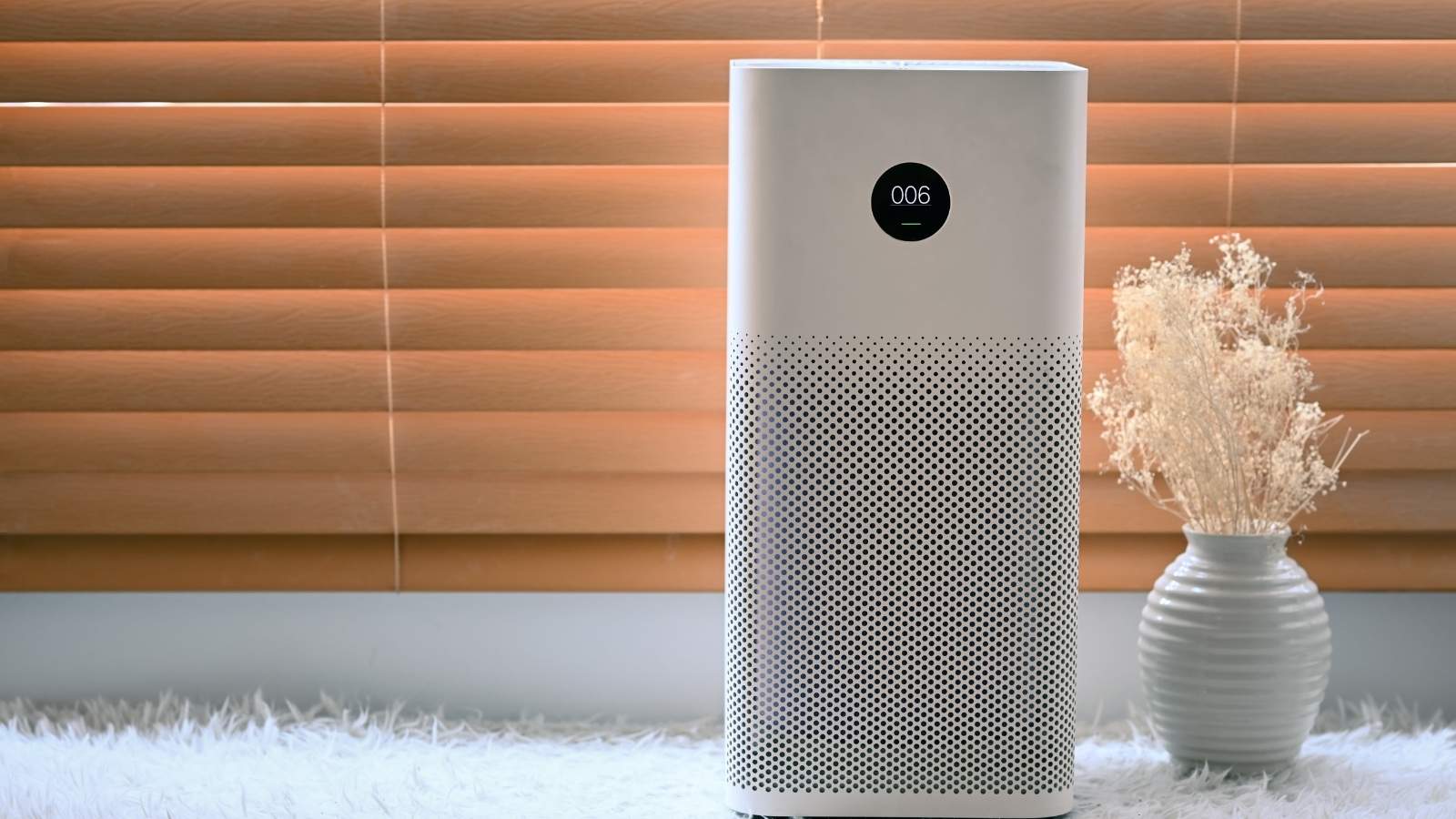
Wondering whether air purifiers work? Yes they do, and they’re highly effective at increasing the quality of indoor air and removing those pesky pollutants from the air so you can breathe cleaner air. If your model has a HEPA filter, it’s a high quality model, as this filter is capable of catching tiny particulate matter like dust, pet dander, pollen, etc. Air purifiers are also very helpful for those suffering from asthma and allergies because they can significantly reduce triggers. That said, their effectiveness varies based on what filter they have and how large the room they’re operated in is.
It’s your God-given right to breathe cleaner air inside your home, but it comes as a shocking surprise that this is often not possible due to indoor air being more polluted than air outside. Sometimes it’s a lingering pet smell, other times it’s an allergen making you sneeze uncontrollably and preventing you from relaxing in your own living room.
In order to get rid of these daily annoyances, getting a purification system is one of the most sensible things you can do. But you’re on this page to know if they work, so there’s no need to rush. Let me help you understand what they do and how they work before you pull out your credit card.
Table of Contents
What is an Air Purifier?
Basically, an air purifier is a machine that is designed to clean indoor air. Just as an air conditioner works by pulling in air, cooling it, and blowing it back to your, air purifiers work the same way. They pull in contaminated air, clean it up, and blow back clean, breathable air into your living space. As they keep doing that, the levels of airborne pollutants keep dropping over time until the air is perfectly clean.
Although personal and residential air purifiers are standalone machines and usually portable, there are huge HVAC models designed for commercial spaces.
How Do These Wonderful Machines Work in Your Home?
Mechanical filtration is how most standard models of air purifiers draw in and catch unwanted particles in the air, and it’s a step-by-step process that includes the following steps:
- Air intake: This step is where the motor and its fan draw air from your surroundings into the unit
- Physical filtration: The second step, which sees the machine forcefully push the air through densely woven filter materials working like sieves to catch all the pollutants before they escape
- Safe air recirculation: As soon as the filter materials are done trapping floating debris and pollutants, what’s left is clean air, which is then recirculated back into your surroundings.
All standard air purifiers follow this 3-step process to refresh indoor air, but they do it at different levels of efficiency. The higher your unit’s CADR (Clean Air Delivery Rate), the more efficient it will be.
What Types of Air Purifiers Are Available to You?
Like other household appliances, there are different types of air purifiers to choose from and each one serves its own specific purpose while using a different kind of technology to achieve it.
HEPA Filtration Models
HEPA stands for High-Efficiency Particulate Air, and it’s usually paired with the word “filter” to describe a type of high-efficiency filter that is currently considered the gold standard for trapping microscopic air contaminants.
With a HEPA filter, air is passed through a fine mesh which, in turn, catches all types of allergens and contaminants contained in the air, including spores and dog hair. That’s why I always recommend air purifiers with HEPA filters to all pet owners because no other type of filter comes close.
Activated Carbon Models
While HEPA filters excel at removing solid particles, activated carbon excels at neutralizing bad smells and odors, be it cooking smells, complex gases, chemical odors, or volatile organic compounds from cleaning products. If these kinds of smells are an issue in your home or you own pets, you’ll need an air purifier with activated carbon.
Note: Models with HEPA filters usually feature activated carbon filters too, so it’s common to see both of these in high-quality standard models.
Negative Ion Models
These types are quite different from standard models. Instead of using mechanical filtration, they get rid of airborne particles by charging them electrically and making them stick to nearby surfaces rather than floating around. They are also called ionic purifiers.
UV Light Models
UV light models use ultraviolet radiation to disable biological pathogens like viruses, germs, and models. The light damages their DNA/RNA and renders them unable to function or reproduce and therefore totally harmless to us. They however do not trap solid particles, and that’s why they are usually paired with other types of filters to boost their efficiency.
How Do They Differ From Each Other?
The main difference between these different types of air purifiers lies in the kinds of particles they target and how they work. The ones that use mechanical filters focus on trapping solid particles, so if you’re dealing with visible allergens like pet dander, they’re the best option.
Carbon filters make use of chemical adsorption to get rid of invisible smells and vapors, while ionizers use electrical charges to purify the surrounding air without trapping the solid particles themselves, which means you’ll need to vacuum your home regularly to get rid of the fallen particles from your floors and furniture.
If you understand exactly how these machines differ from each other, then you’re ready to pick the right type for your needs.
How Well Do They Work in a Home?
So long as they are sized correctly, air purifiers are incredibly effective. In my former home, I had a damp and dusty basement. I bought one of my first ever air purifiers and set it up there and within hours I noticed a significant decrease in stale odors. If you have allergies, buying a quality air purifier is one of the best investments you can make for your health.
They are not only good at catching seasonal allergens, viruses, bacteria, and solid visible debris, they also have a commendable ability to tackle heavy particulates from weed smoke, cigarette smoke, chemicals, and pet litter boxes.
For maximum effectives, use the right size for your space’s square footage. An undersized machine will perform poorly regardless of its quality. In addition to that, it has to work continuously with the right speed/fan setting selected to get good results.
The Health Benefits of Air Purifiers
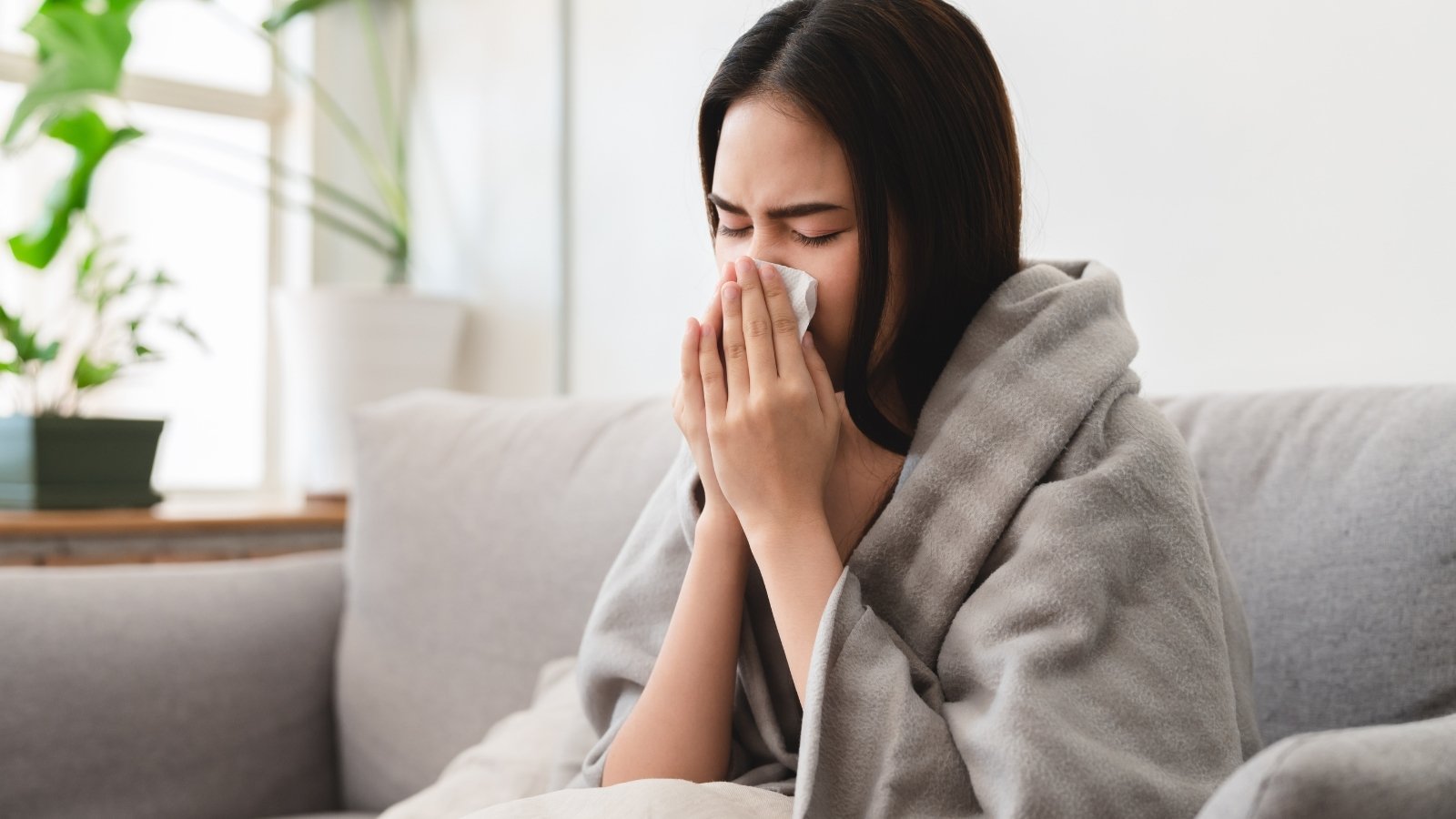
I always tell my friends suffering from nasal congestion and allergies, “if you want to see a massive improvement in your symptoms, get an air purifier”.
With a high quality model in your home, you can significantly reduce the allergen load and see benefits like these almost immediately:
- Reduced nasal congestion
- Deeper and more satisfying night sleep and waking up fully refreshed
- Less sudden asthma flare-ups even when during peak season
- Recent clinical studies suggest that these improvements can also lead to lower cardiovascular stress
What They Won’t Resolve For You
Even though these machines can improve your quality of life considerably, they aren’t the magic bullet that some people think they are. If you have any of these problems, you’ll need to look for the right solution for them as air purifiers won’t help you:
- Mold growth: Although they can eliminate the spores, they won’t remove the physical sources. To resolve this issue, you’ll need to contact a professional for mold removal and moisture control.
- Harmful gases: Activated carbon, despite how good it is, won’t protect you against carbon monoxide and other poisonous gases. To deal with these, get the right detector.
- Old odors: Odors that have been in your home for a long time and settled onto your walls, like heavy smoke residue, may be hard to remove using a portable unit.
How Else Can You Clean Indoor Air?
There are other ways to clean indoor air without using air purifiers, although they are the most effective option:
- Control the source: Get a vacuum cleaner with a good filter and vacuum your carpets regularly. Also ensure you keep your home dry to ward off fungal growth.
- Natural ventilation: Open as many windows as possible for cross-ventilation. This helps to flush out stale air and lingering pollutants and in turn improve indoor air quality, but only do this when the air outside is clear or you’ll end up making things worse.
- Regular maintenance: A central heating and cooling system kept in good condition means minimal dust buildup in your ductwork and higher overall air quality.
What’s better than these tips above? Combining them with a quality air purifier. With both, your indoor air quality will always be at its highest, your air purifier will last much longer, you’ll change filters less often and save more money on filter purchases and electricity usage, and your respiratory system plus your body in general will thank you.
Have any thoughts?
Share your reaction or leave a quick response — we’d love to hear what you think!
-
 0
0 -
0
-
0
-
0
-
0
-
0