Vida Tarver
The purpose of an air purifier is to remove dust, pollen, pet dander, and other particles from the air, while that of a humidifier is adding moisture to dry air. Due to their varying functions, air purifiers help with allergies, asthma, pet allergens, and other airborne allergens, while humidifiers are incredibly helpful for dealing with dry skin, cough, congestion, and sinus irritation. If you have a baby, little kids, pets, or have all in your home, you’ll probably benefit from having both appliances.
But if you can’t have both, which should you pick? By the end of this article, you’ll have your answer.
Table of Contents
What Does an Air Purifier Do For You?
The role of an air purifier is to suck in contaminated air and pass it through a filter to clean it, usually a HEPA filter. As the air passes through the filter, the contaminants are trapped in it, leaving only clean air coming out the filter, which is then pushed back into the room. By the EPA’s definition, a HEPA filter is one that is capable of removing 99.97% of particles as small as 0.3 microns, and these particles include dust, pollen, bacteria, and mold spores.
The filtration process also catches pet dander, but no moisture is added to the air. So if the main problem you have has to do with airborne allergens, pick an air purifier.
What Does a Humidifier Do?
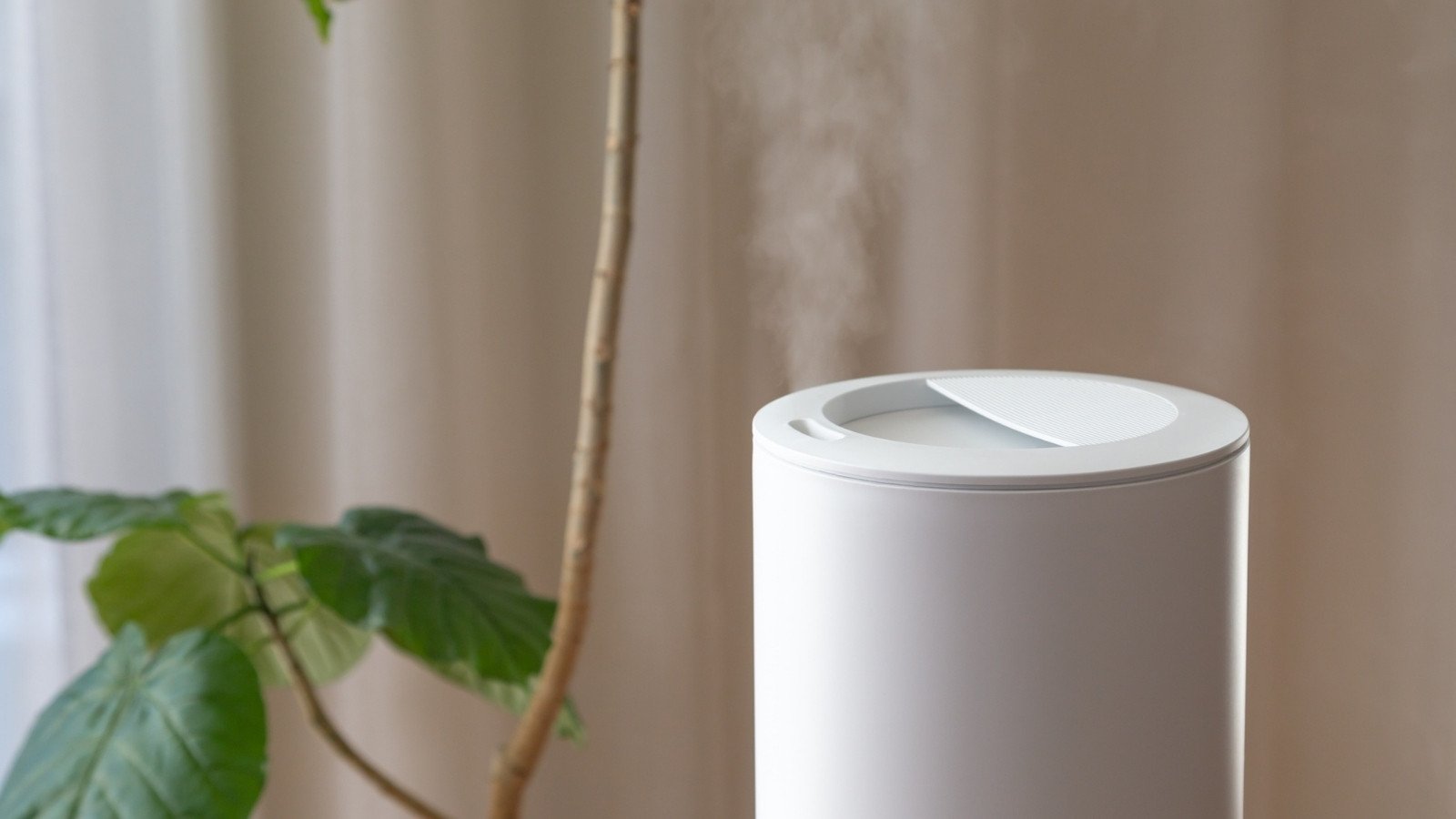
When you need to increase humidity in your home to help resolve or alleviate issues like dry cough, dry skin, sinus irritation, and more, a humidifier is the right tool for the job. It adds water vapor to the air to raise humidity to optimal levels, which is 30 to 50%. This, according to the EPA, is the perfect range for a healthy home without increasing mold risk.
Obviously, a humidifier won’t remove solid particles like allergens from the air; it only adds moisture to the air. So if you need to get rid of allergens, a humidifier alone won’t help you and can even make things worse if humidity rises too high, since damp air feeds other allergy triggers.
How Each Affects Your Health and Air Quality
In terms of health benefits, both machines contribute massively but for different issues. Humidifiers ease discomfort, making issues like sinus pain, cracked skin, a nagging cough, and other issues caused by dry air easier to deal with or fix, while air purifiers relieve issues caused by allergies like asthma and allergic reactions.
That said, humidifiers can work against air purifiers in certain ways when humidity rises too high. It can help mold grow. It can also help dust mites (a major asthma trigger) thrive when humidity rises above 50%, according to the American Lung Association. Dust mites find it hard to survive at sub 50% humidity levels.
When to Use an Air Purifier and When to use a Humidifier?
If your symptoms are a result of particles in the air such as dust, dander, smoke, hair, etc. then turn on your air purifier. If your symptoms are being caused by dry air, you’ll need to turn on your humidifier instead. Examples of dry air symptoms are static shocks and cracked skin.
If you own an air purifier, you’ll likely use it throughout the year because allergens are present in all seasons. Humidifiers, on the other hand, are needed in certain seasons such as winter when the air usually dries out. You don’t need a large air purifier, depending on your circumstances, you can get by with a small one if you live in a tight space like a dorm room where dust and dander can build up fast, especially when shared.
Can You Use an Air Purifier and Humidifier Together?
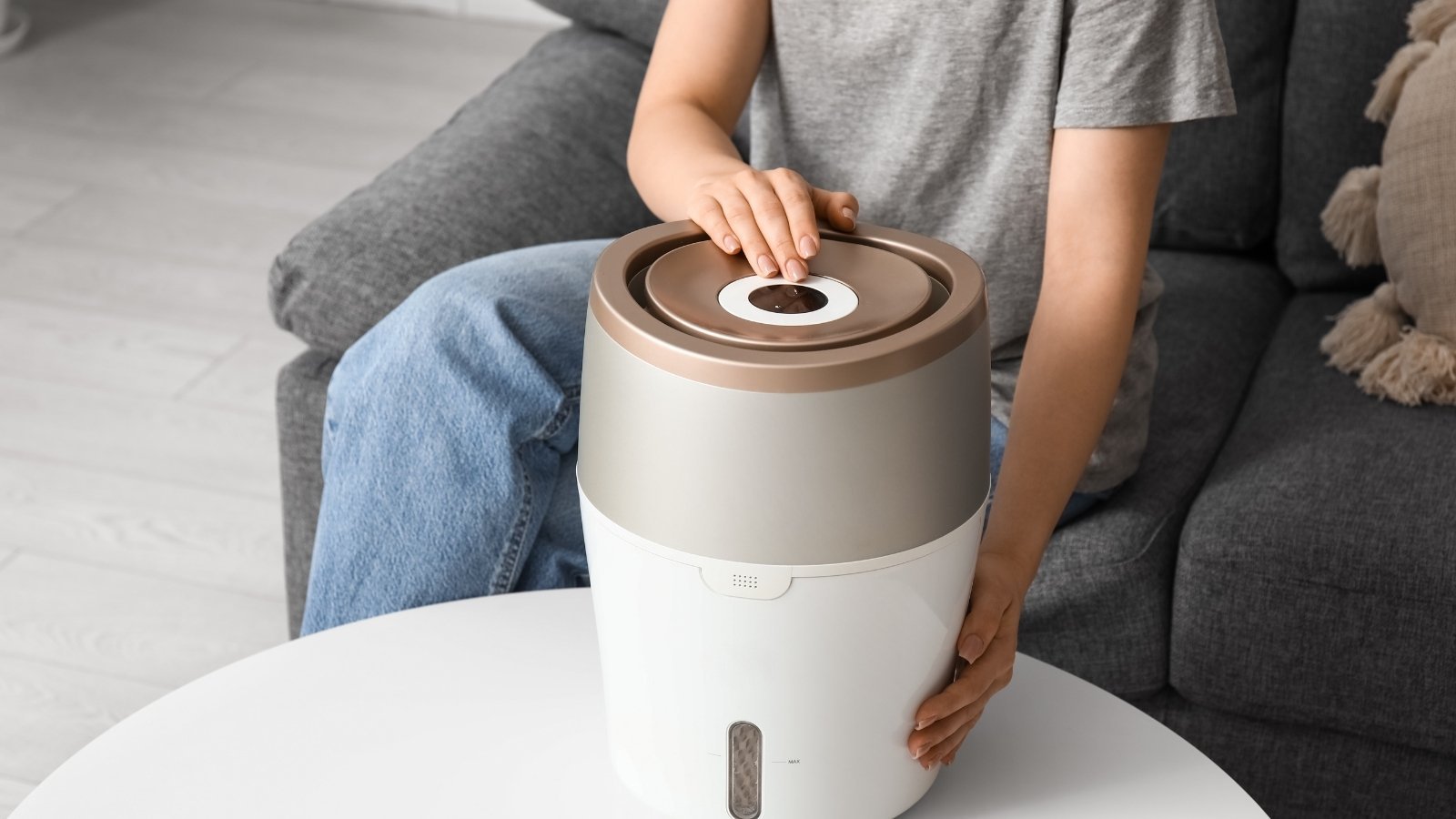
It can benefit you significantly to use both together, and yes it’s possible to use both in the same room. Just make sure the room’s humidity doesn’t exceed or go below the EPA’S 30 to 50% range so as to not help dust mites and mold grow. Also the purifiers air intake should face away from the mist so it can pull in actual contaminated air.
What About Babies?
Choose a cool-mist humidifier if you have a baby, as the warm-mist ones can burn your baby if they tip it over. This is in line with the American Academy of Pediatrics recommendations.
So for baby rooms, the right combination is a cool-mist humidifier and a HEPA air purifier. The humidifier will ease dry skin and congestion and make your baby comfortable during a cold, while the purifier helps them breathe cleaner air by reducing the level of dust and other pollutants in the air.
Running a humidifier alongside an air purifier means you’ll have more maintenance work on your hands. I clean my humidifiers tank regularly to prevent the growth of bacteria and mold. I have a few in my home for my room, the kids’ room and other areas where I feel they are needed. The same applies to the air purifiers, with one in the hallway close to where the dogs sleep. Depending on the season, I’m either running the purifier or both at the same time.
What About Pets?
For pets, a HEPA air purifier is non-negotiable because it catches pet dander and hair better than any other type of filter. It can also improve your allergy or asthma symptoms if you have these conditions, but you’ll still need to vacuum regularly to clean up any dander or hair that has settled onto your furniture and carpets. A humidifier won’t help you here.
Frequently Asked Questions
Do air purifiers help with pet allergies? Certainly! Since they’re so capable of catching and trapping pet dander, which is one of the most common asthma and allergy triggers.
Will a humidifier help you if you have a cough? Yes, a cool-mist one, since warm mist can cause more irritation. As it adds more moisture to your irritated airways, the severity of your dry cough decreases.
Is an air purifier better for allergies and asthma than a humidifier? Yes, it is, because its main function is to get rid of the particles in the air that cause asthma and trigger allergies.
Do humidifiers help with eczema? By adding more moisture to the air, humidifiers can lessen eczema. Dry air makes eczema worse because it causes the skin to lose more moisture, so it’s obvious that a humidifier can help, but don’t rely on it alone. See a dermatologist.
Is your main problem air quality? Get a purifier because it will do way more than you can ever expect from a humidifier. And if you’re considering getting one and you own pets, read my guide on the best air purifiers for pets to find the right one for your pet and your space.
Have any thoughts?
Share your reaction or leave a quick response — we’d love to hear what you think!
-
 0
0 -
0
-
0
-
0
-
0
-
0